
NewsInformation
- Home
- Why is JPF committed to promoting cycling?
2026.4.3
Why is JPF committed to promoting cycling?
—The Keirin system supports Cycing sports in Japan—
Why is JPF working to promote cycling?
Behind this lies the unique Japanese system known as "Keirin." This column will introduce the relationship between Keirin system and sports promotion, as well as the JPF's vision for the future of cycling.
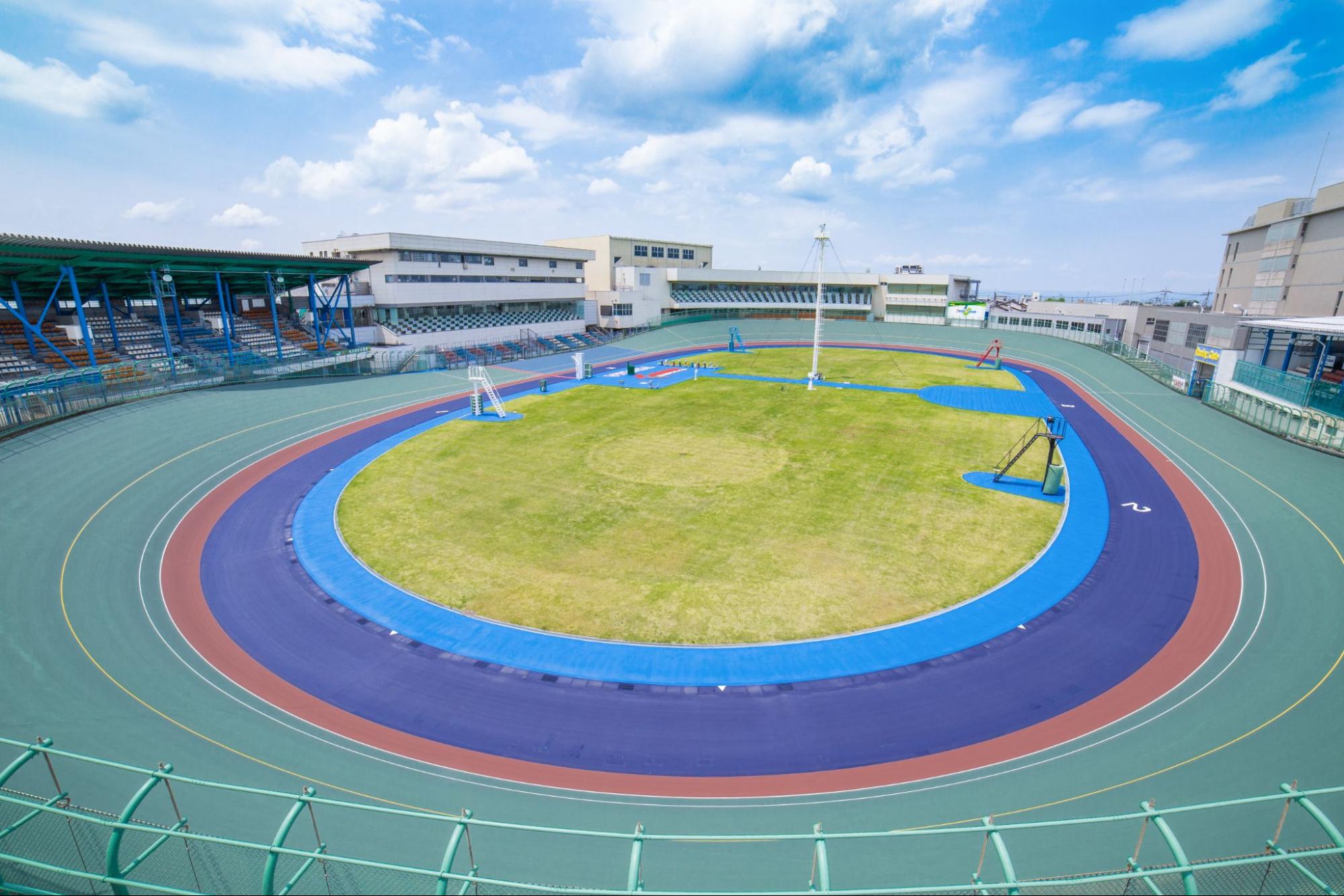
The role of Keirin (bicycle racing) in promoting sports
JPF Co., Ltd., Ltd. is a company involved in the operation of Koei Kyogi such as Keirin (bicycle racing) and judging, including photo finishes, and is a part of the industry that supports cycling. Currently, we are also working on sports promotion with the aim of making cycling a major sport in Japan.
So why is JPF (Japan Professional Cycling Federation) working to promote cycling?
Behind this lies the existence of "Keirin" a sport system unique to Japan.
Keirin (Keirin) is widely known as Koei Kyogi, but the Bicycle Racing Law, which forms the basis of the system, explicitly states that it contributes to the "promotion of physical education" through the conduct of the competition. In other words, keirin is not merely entertainment or a business, but a system that also plays a social role in promoting sports.
Japan's unique mechanism for managing the flow of funds
This system is quite unique, even from a global perspective.
In many countries, cycling is supported by sponsors, clubs, and sports federations. Japan has its own unique system of funding that supports the sport through the Keirin (bicycle racing) system.
A portion of the profits generated from Keirin (bicycle racing) is used for public service projects, contributing to the promotion of sports, including cycling, and to social contribution activities.
Keirin) is also a system that plays a role in connecting sports and society.
A triple mission: "Popularization, victory, and funding"
Regarding this structure, Shuntaro Watanabe CEO of JPF, has organized the elements necessary for the development of cycling as the "Triple Mission."
These are the following three elements:
popularization
To broaden the base of the sport and increase the number of participants.
victory
To produce athletes who can compete on the world stage and to enhance the appeal of the sport.
funds
Sustainable funding mechanisms to support athletic activities and development
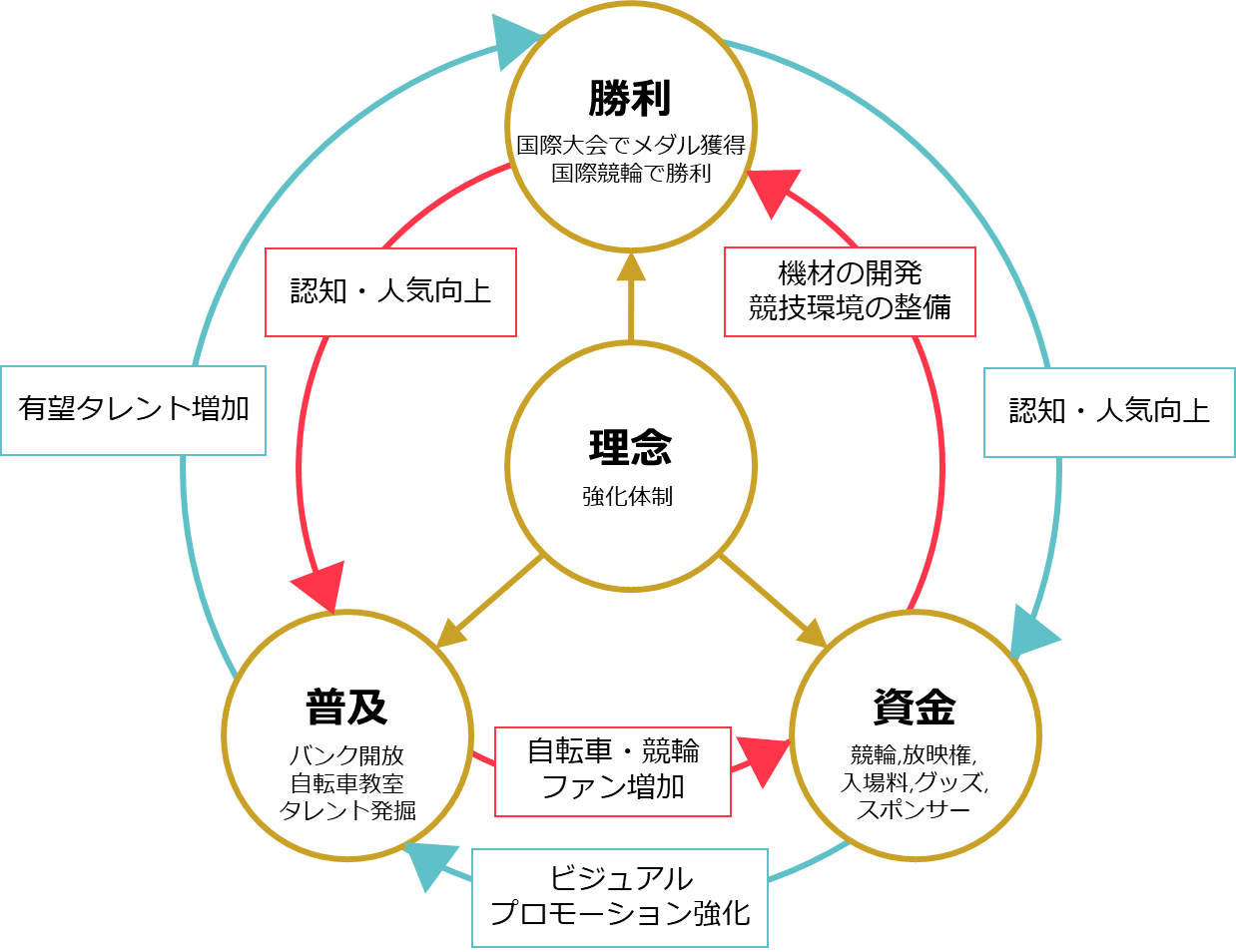
These three elements working in a cycle will enable cycling to develop sustainably.
In Japanese cycling, there is a system called Keirin that has the potential to support this cycle.
The funds generated by Keirin are used to promote the sport, which in turn leads to an increase in the number of participants, and ultimately to the emergence of athletes who can compete on the world stage.
JPF's cycling promotion activities are also carried out with this "popularization, victory, and funding" cycle in mind.
(Shuntaro Watanabe Master's Thesis, CEO of JPF: Link here)
JPF has grown alongside Keirin business.
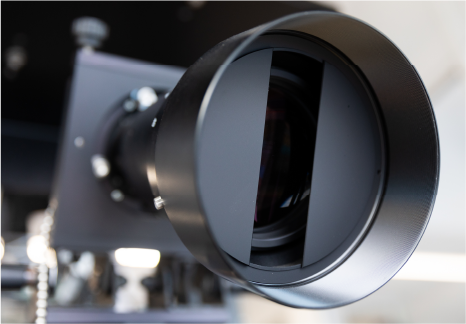
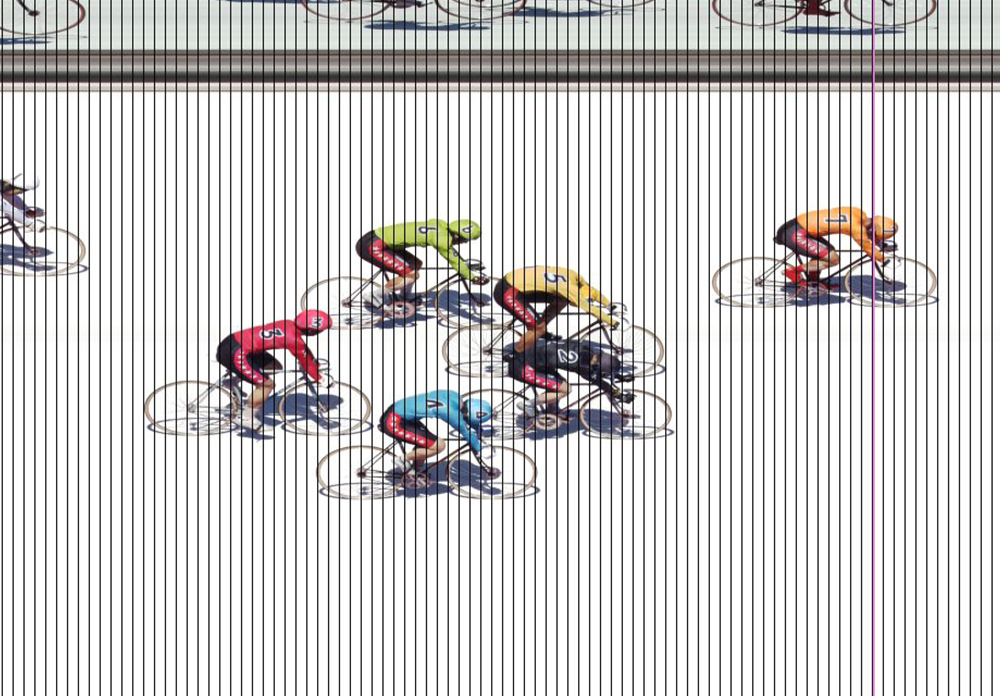
JPF has a long history of involvement in Keirin (bicycle racing) business, primarily through its photo judging that support judge of the finishing order in Koei Kyogi. In 1950, JPF invented slit camera, which is used to judge of the finishing order in Keirin and boat races, and has a history of supporting judging at many Koei Kyogi Facilities.
Furthermore, starting in 2010, we began a total management business for Koei Kyogi Facilities, and by becoming involved in management of Koei Kyogi venue of Keirin-jyo, we have become more deeply involved in the operation of Keirin business.
Through managing Keirin-jyo, organizing events, and collaborating with local communities, we have increasingly had opportunities to be involved in creating an environment that supports cycling, while also building relationships with government and local communities.
Bringing the mechanics of Keirin) to the future of cycling.
Keirin system, unique to Japan, has the power to support sports.
How will we make the most of that system?
To utilize Keirin-jyo as a local sports hub.
To expand opportunities for children to interact with bicycles.
And supporting athletes who compete on the world stage.
There may still be many possibilities remaining.
JPF aims to be one of the key players in shaping the future of cycling.
